Showing posts with label marine science. Show all posts

Wednesday, December 11, 2013

All About Coral Reefs - BP7

gorgonian soft coral - from NOAA web site
Coral Reefs are so very important to the coastal ocean ecosystems because they support a great variety of life, meaning the biodiversity is out of this world!

The National Oceanic and Atmospheric Administration, or NOAA, lists an abundance of life associated with coral reefs, including, but not limited to, "fish, corals, lobsters, clams, seahorses, sponges, sharks, and sea turtles are only a few of the hundreds of thousands of creatures that rely on reefs for their survival."

NOAA also tells us that coral reefs give us protection for coastal lands, places to research medicines, and places where humans go for food.

In general, coral reefs are important to us and should be protected and preserved.

Coral Reefs are in Danger
This web site has a bunch of information on how coral reefs are endangered.

Friday, April 5, 2013

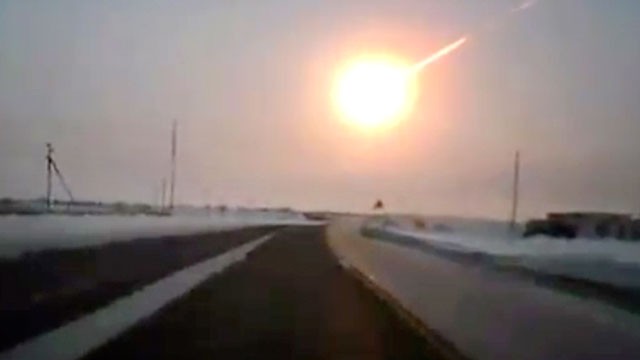
The Big Meteor / Asteroid Strike - Feb. 2013

The large cosmic strike over Russia last February caught everybody by surprise. There was no warning, and luckily, the impact and angle of entry was friendly to us Earthlings.
What's the difference between a meteor and an asteroid?

According to NBC News,
"Astronomers use different terms to describe cosmic objects of different sizes: When the rock is no wider than a meter (3.3 feet), it's known as a meteoroid. But once you start getting into the 1- to 10-meter range, the term "asteroid" applies. Earlier estimates suggested the Chelyabinsk object was a meteoroid, but the latest assessment would put it in the class of a small asteroid." (http://goo.gl/3vSnL)


Watch Meteor Strike on PBS. See more from NOVA.

Sunday, February 3, 2013

Pahoehoe Lava Flows

Here's a video from Russia, showing a low-viscosity lava flow: http://www.utsandiego.com/video/play/51542/